United councils advocate for Sunshine rail links
Published on 06 February 2026
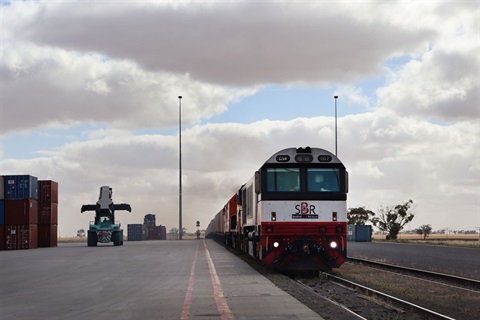
Horsham Rural City Council has joined with more than 20 Victorian councils to advocate for the retention of key rail crossovers at Sunshine — infrastructure that plays a crucial role in keeping freight moving efficiently across the state.
The councils are members of the Rail Freight Alliance, a collective advocating for a strong, reliable rail freight network that supports regional communities and businesses.
Located south of Sunshine Railway Station, the rail crossovers connect freight lines servicing northern Victoria with the Port of Melbourne. They allow trains to share tracks and switch lines quickly, helping to reduce delays, ease congestion and keep freight costs down.
Under plans linked to the State and Federal Government-funded Sunshine Super Hub — the first stage of the Melbourne Airport Rail project — the crossovers would be removed.
Horsham Rural City Council says the change would have far-reaching consequences. Without the crossovers, more freight from northern Victoria would be forced onto the Adelaide–Melbourne rail line, increasing delays and placing additional pressure on an already busy route.
Over time, higher costs and longer travel times could see more freight diverted from rail onto roads, adding congestion, increasing maintenance costs and placing greater strain on regional communities and metropolitan Melbourne traffic problems.
Mayor Cr Brian Klowss said the issue highlights the importance of councils working together to advocate for practical, long-term solutions.
“It’s encouraging to see more than 20 councils standing shoulder to shoulder on this issue,” Cr Klowss said.
“If these crossovers are removed, freight operators will face extra time, distance and cost — and that makes it far more likely freight ends up on our already congested roads.”
The Rail Freight Alliance will formally write to the Premier, relevant Ministers and other elected representatives, calling for the crossovers to be retained or for effective mitigation measures to be put in place if the project proceeds.
“We don’t need more pressure on key freight lines or more heavy vehicles on our roads.
By working together with other Victorian councils, we will make sure regional voices are heard and urge State and Federal governments to rethink this proposal.” Cr Klowss added.